What is COVID-19?
COVID-19 is a ailment caused by a new strain of coronavirus. 'CO' is that the short sort of Corona, 'VI' is that the short sort of Virus and 'D' is that the short sort of disease. Earlier, this ailment was mentioned as 2019 novel coronavirus or 2019-nCOV.

Source; unsplash
Coronaviruses are a kind of virus. There are numerous different kinds, and a few cause disease. A newly identified coronavirus, SARS-COV-2 has changed a WorldWide pandemic of respiratory illness, that's called COVID-19.
It is a replacement virus, meaning nobody has immunity and there's no vaccine. It's originality means that scientists are not sure yet how it behaves they have little history to go on.
Incubation Period for COVID-19:
The effects of COVID-19 begin to appear in people within two to fourteen days.
Symptoms of COVID-19:

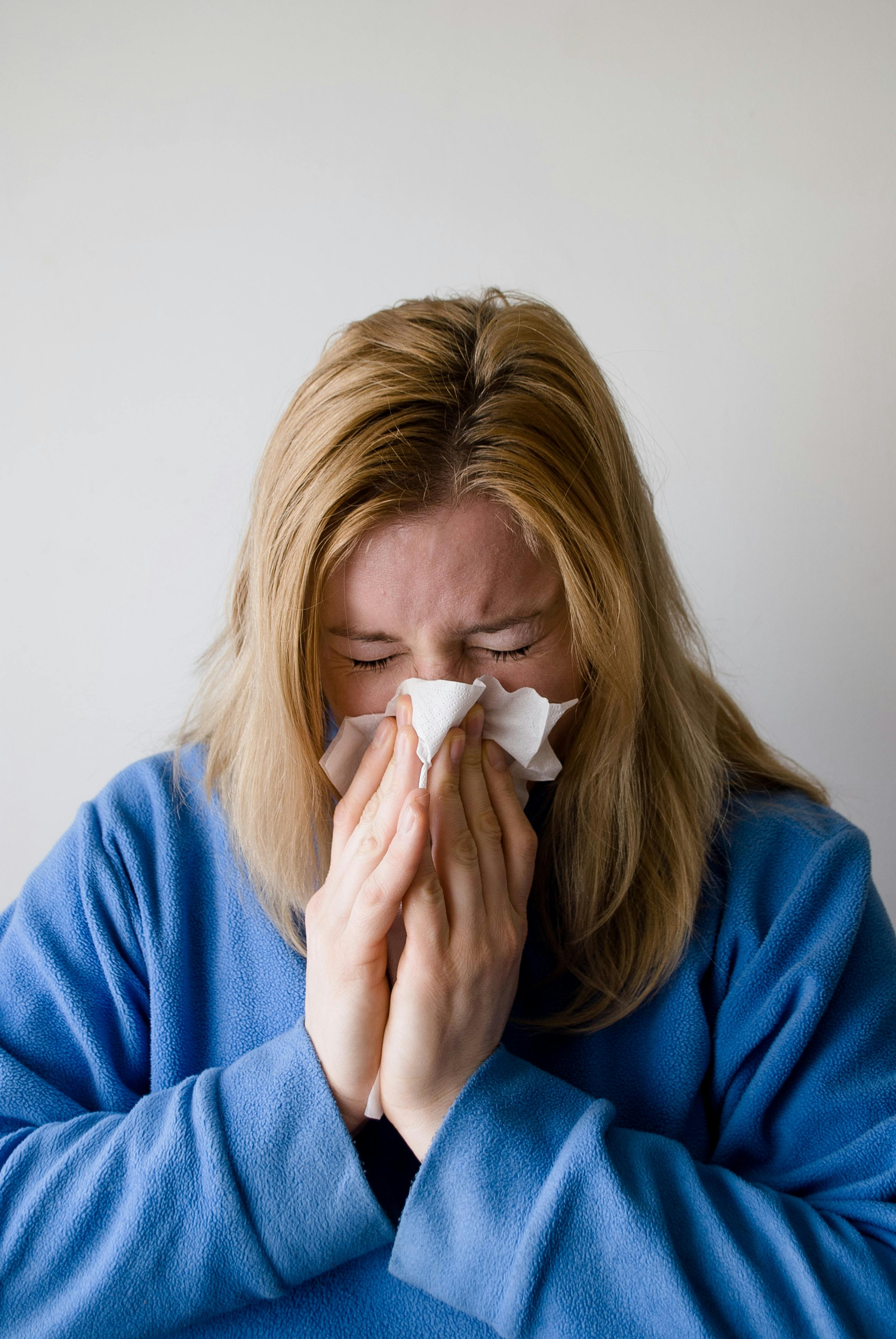
Source; pexels
Coronavirus symptoms include:
- Cough
- Fever
- Muscle or body aches
- Sore throat
- Headache
- New fatigue
- Shortness of breath or difficulty in breathing
- Vomiting
- Congestion or runny nose
- Loss of taste or smell
- Diarrhea
If you've got a fever or any quite respiratory problem such as shortness of breath or coughing, then call your doctor or health care provider and explain all your symptoms over the phone before going to the doctor's clinic, emergency room or urgent care facility.
In rare cases, COVID-19 can lead to severe respiratory problems, failure of kidneys or death.
Laboratory Diagnosis of COVID-19:

Diagnosis may be much more difficult with just a physical examination because mild cases of COVID-19 look like a bad cold or like a flu. A laboratory test can confirm the diagnosis of this virus. To test the COVID-19 virus, a health care provider uses a long swab to take a sample form throat or from the nose. Then these samples are send to a laboratory for testing. If you're expulsion sputum, which will be sent for testing.
How Does The COVID-19 VIRUS Spread?
It is likely that COVID-19 originated in an animal species, and then transmitted to humans.
The COVID-19 virus has been reported to spread from person to person, but it is not yet understood that how easily it occurs.
The virus is transmitted through the direct contact with respiratory droplets of an affected person, generally through sneezing and coughing, and touching the surfaces contaminated with virus.
The COVID-19 virus may survive on surfaces for some hours, but simple antiseptic can kill this virus.
Here Are Some Ways To Prevent the COVID-19:
- Wash you Hands for 20 sec.
Wash your hands regularly with soap and water for at least 20 seconds to avoid a deadly epidemic like COVID-19.
2. Use Sanitizer:
By using hand sanitizers, you can kill the germs.
3. Cover your Nose and Mouth when Sneezing:
Cover coughs and sneezes with tissues and then drop those tissues in baskets.
4. Avoid Contact with Sick People:
Avoid close contact with anyone showing symptoms of the respiratory illness like shortness of breathing.
5. Wear a Mask maintain Distance.
Wear a mask whenever you go out.
6. Avoid Crowded Place / keep social distancing:
As a private, you will lower your risk of infection by reducing your rate of contact with people. Avoiding unnecessary social gatherings and public places, especially events with large numbers of crowds or people. It will lower the chance that you will be exposed to the Covid-19 as well as to other infectious ailments like flu.

Source; pexels
Conclusion:
The COVID-19 continues to spread across the planet following a trajectory that is very difficult to predict.
We can defeat this virus by following the precautions given above. By following them, we can protect ourselves and our children from this deadly epidemic.